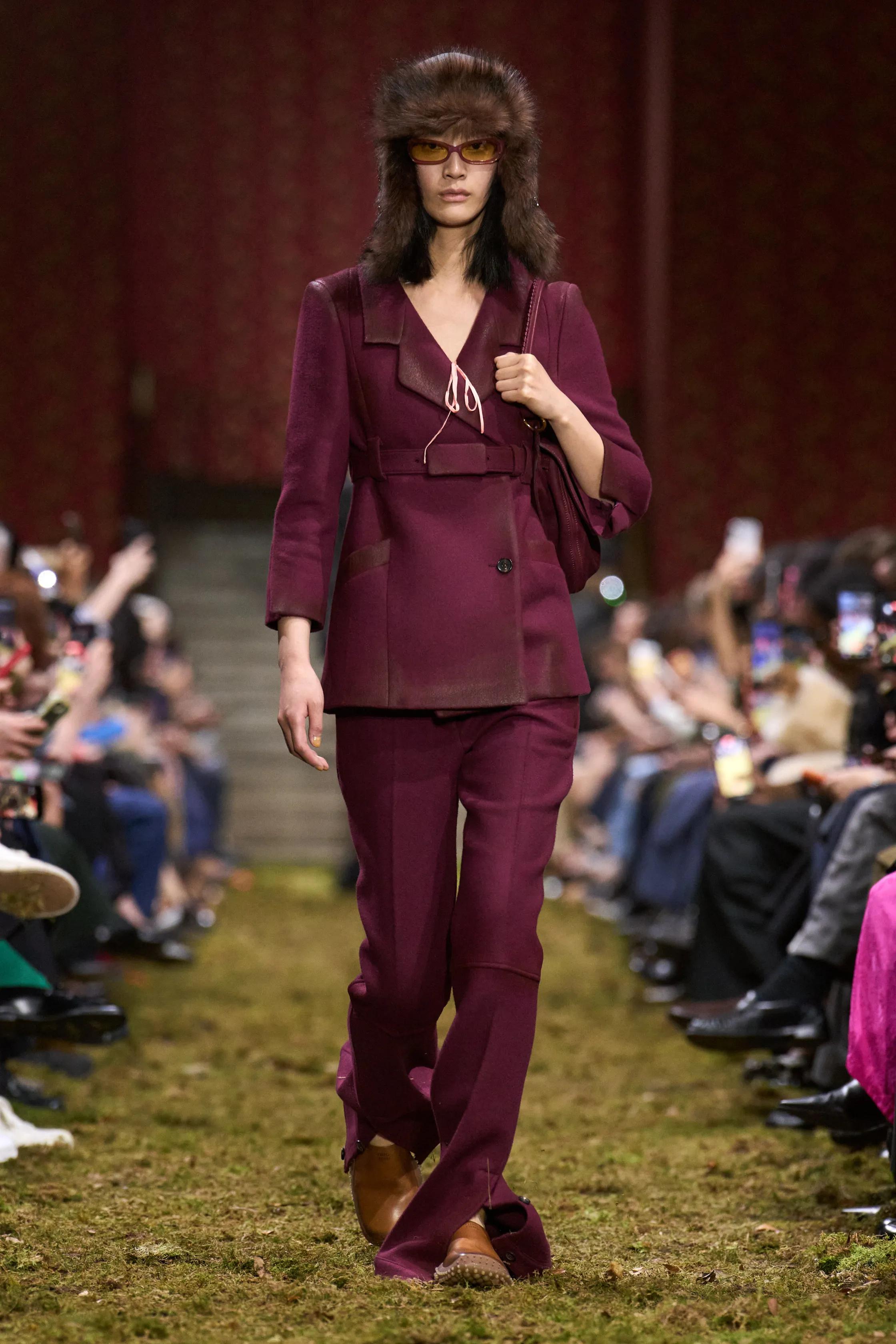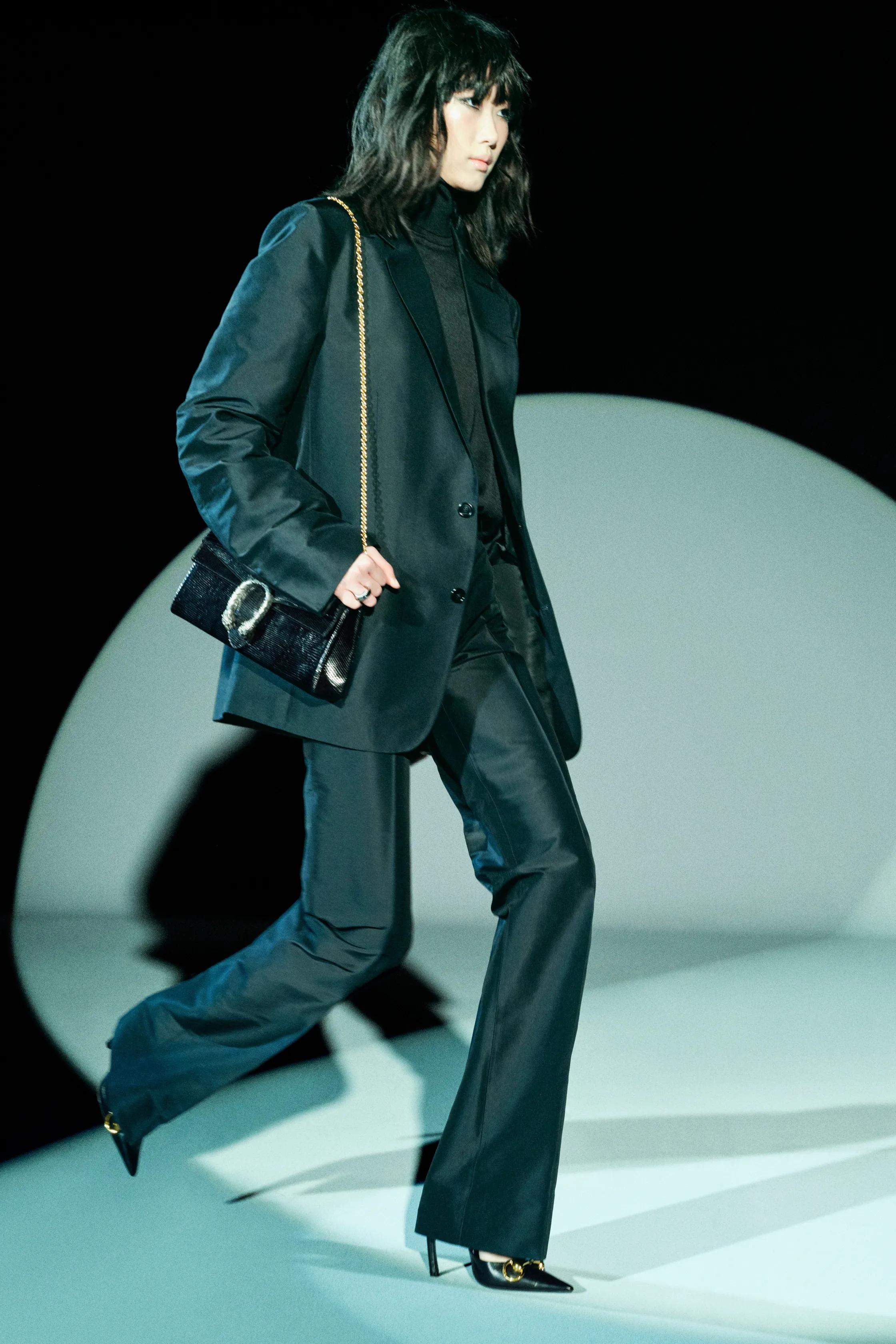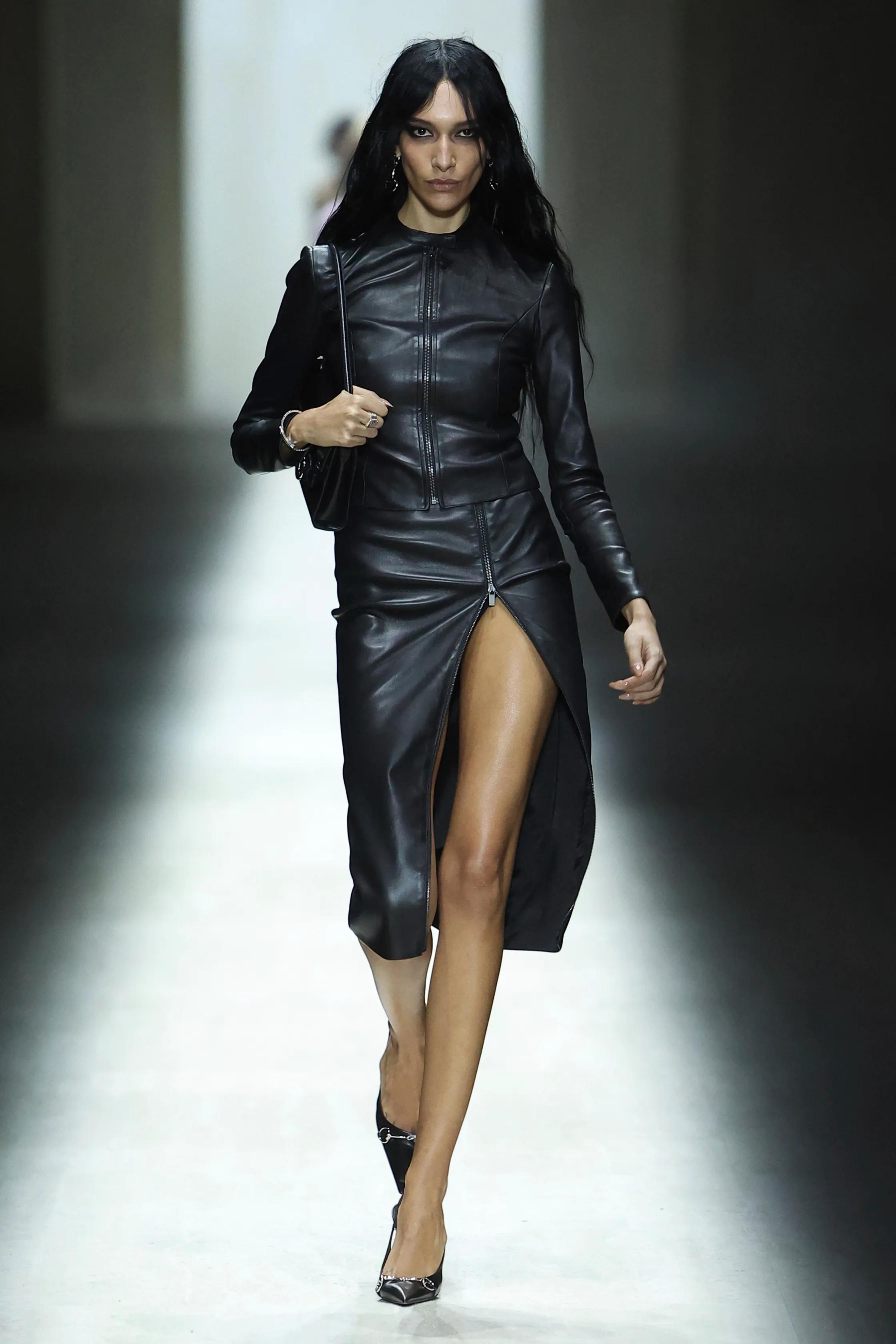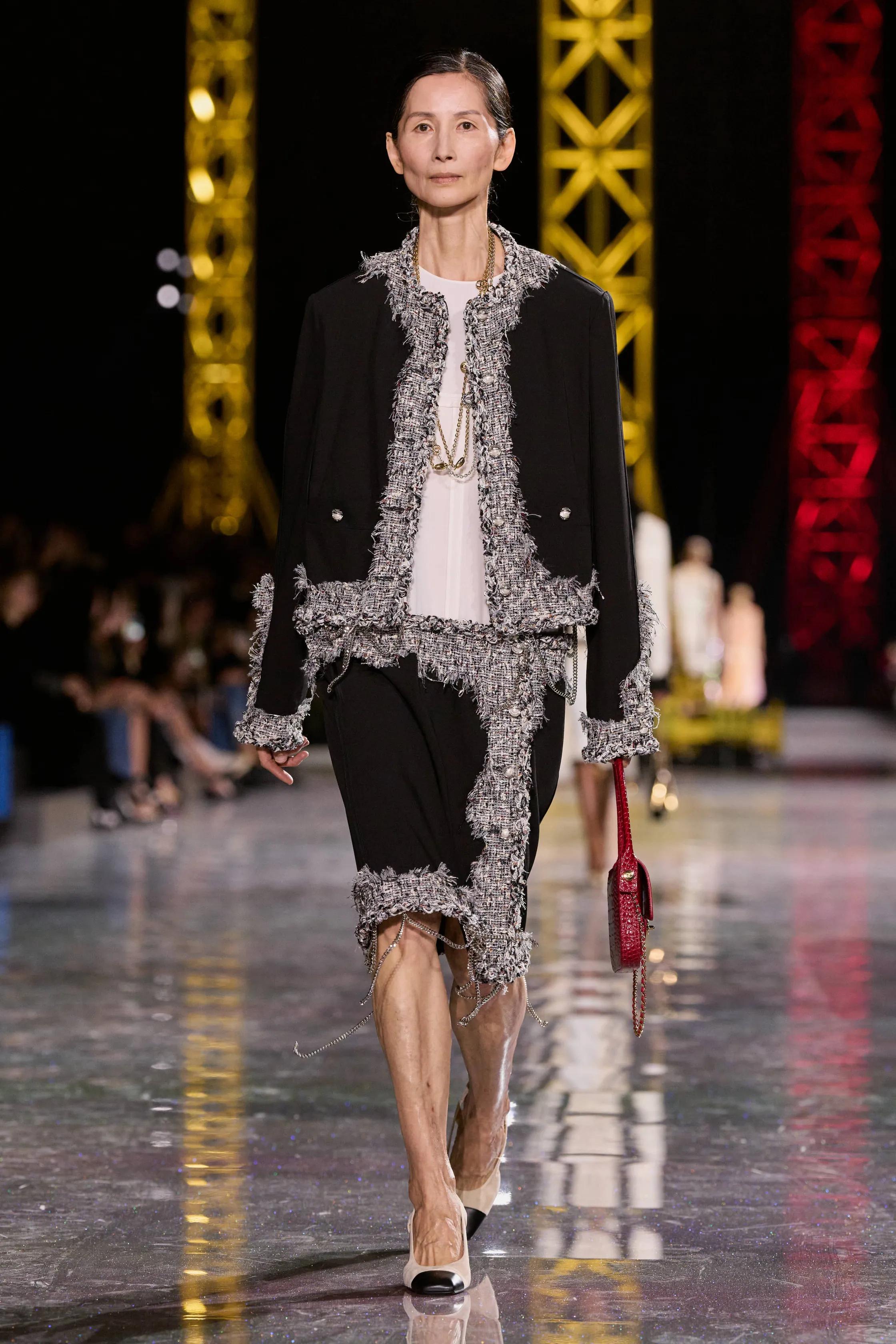
There's a version of this story that's just vibes. The mushroom set. The crying front row. The feeling that Chanel was fun again for the first time in years. That version is real and it matters. But there's another version of this story that lives in the data, and it's just as compelling.
Matthieu Blazy's FW26 Chanel show generated the biggest search spike of the entire season. Our pytrends data puts Matthieu Blazy Chanel at 56.6 current search interest with +134.7% velocity. To put that in context, Jonathan Anderson's Dior debut, the other most talked-about appointment of the season, scored 5.6 with flat velocity. The Chanel signal wasn't just bigger. It was in a different category entirely.
Why this spike is different
Search spikes after fashion shows are common. A celebrity wears something, a look goes viral, a single piece gets screenshot and shared until the algorithm buries it. Those spikes are real but they're shallow. They don't tell you much about whether the clothes will actually translate into desire.
The Blazy Chanel spike is different for a few reasons. First, it's attached to the designer's name, not a single product. People aren't just searching for one jacket or one bag. They're searching for Matthieu Blazy, for what he means, for what his Chanel is going to be. That's brand-level interest, which is the kind that compounds over time rather than fading in a week.
Second, the velocity. +134.7% means the search interest didn't just jump, it accelerated. It was building momentum at the time we captured the data, not declining from a peak. That's a leading indicator, not a lagging one.
What the collection actually did
38 of 52 Chanel looks featured tweed, the highest concentration in six seasons. That number matters because it tells you Blazy wasn't rejecting the house codes, he was recharging them. The tweed was cut differently, proportioned differently, styled with an energy that felt genuinely contemporary rather than archival. Chanel has spent years trying to modernise itself without alienating its existing customer. Blazy may have figured out how to do both at once.
The composite trend score for Chanel FW26 came in at 91.2, one of the highest of the season. Runway presence was strong, editorial coverage was extensive, and the social signal was amplified by a front row reaction that felt genuinely emotional rather than performed.
What this means
The Blazy appointment at Chanel was always going to be watched closely. He was coming from Bottega Veneta, a house with a completely different identity and customer. The question was whether he could translate his sensibility into the world's most recognisable fashion house without losing what made him interesting in the first place.
FW26 suggests he can. The data agrees. And the 635,000 people following the @databutmakeitfashion account who reposted the crying front row video probably agree too, even if they don't know they're confirming a search trend.