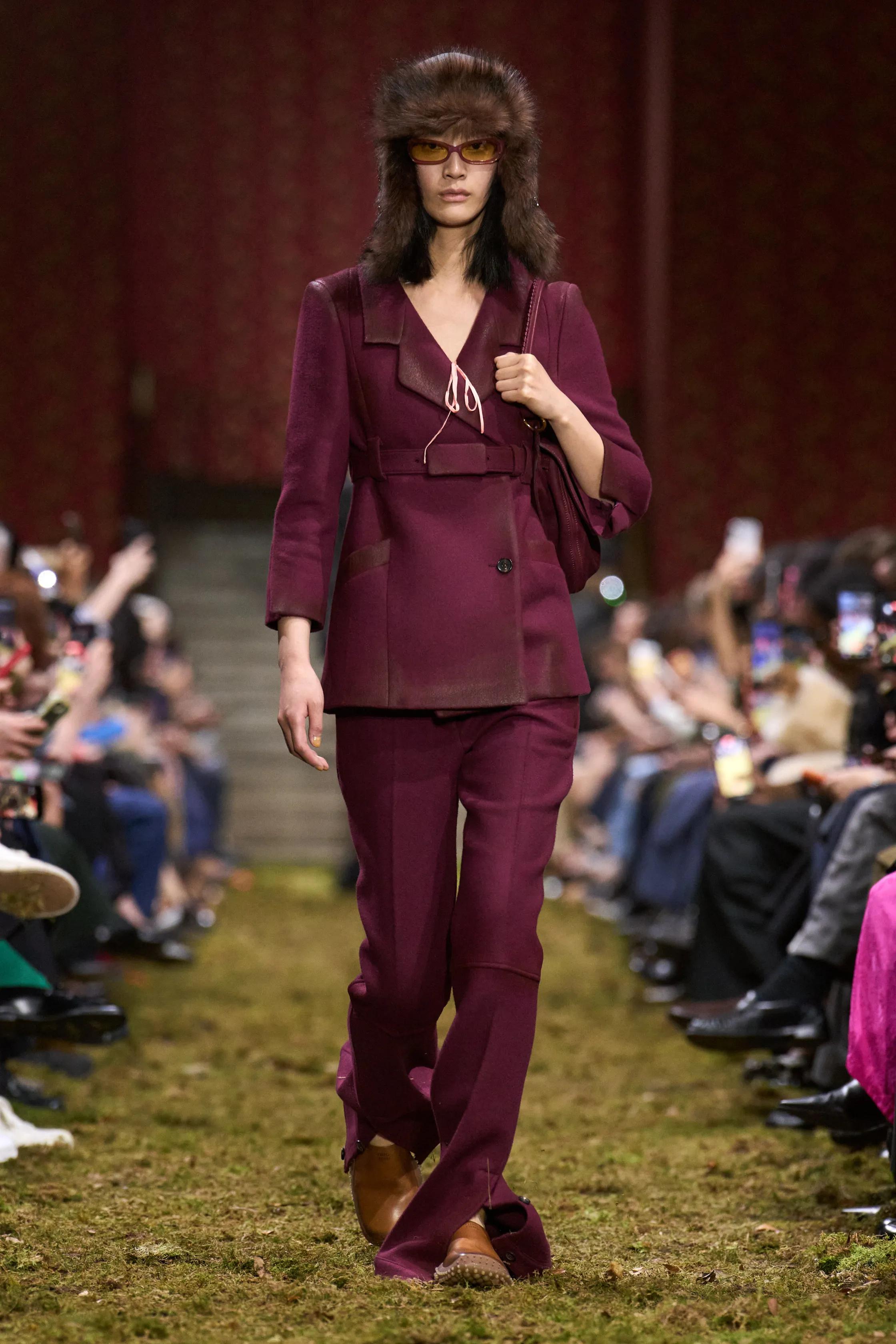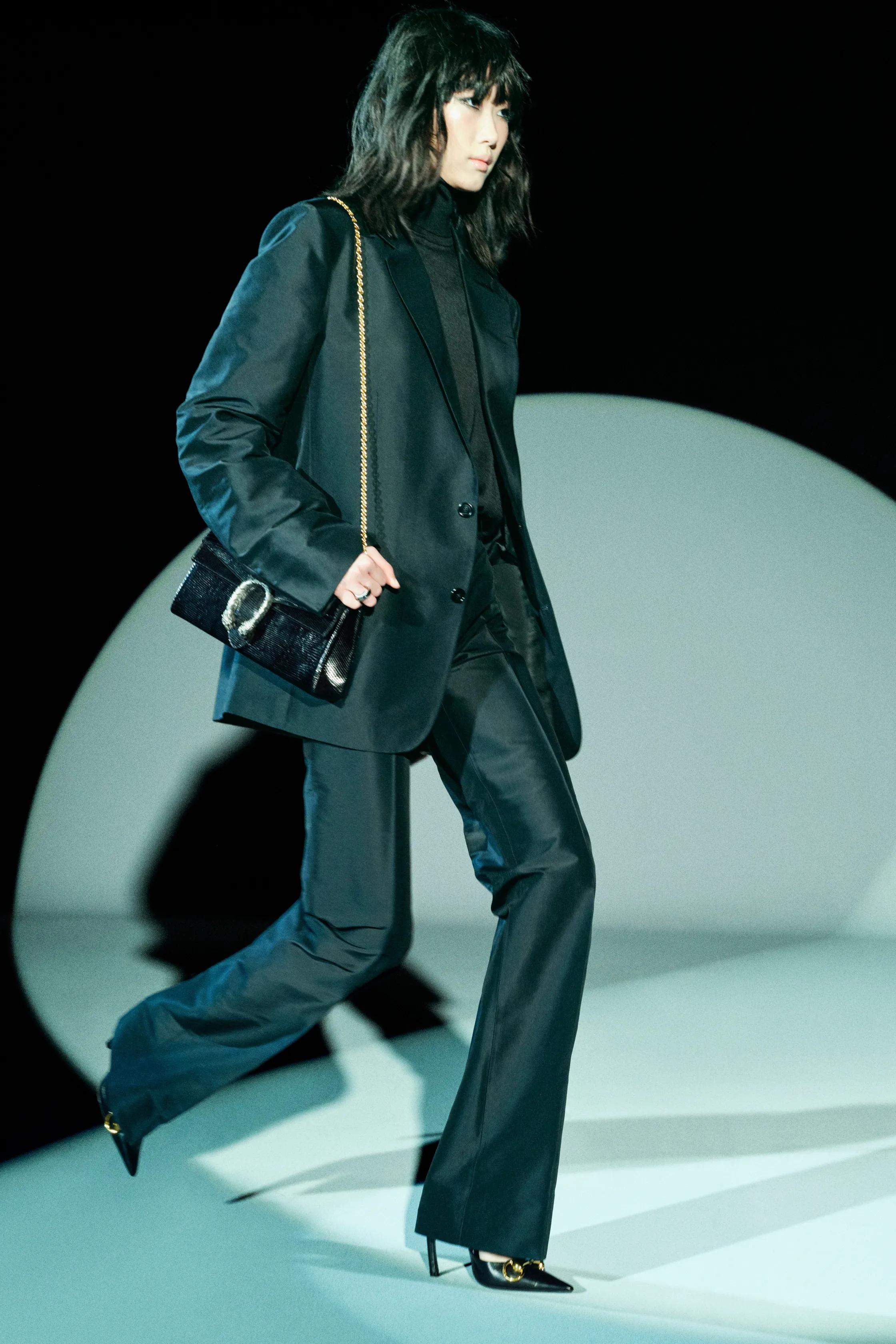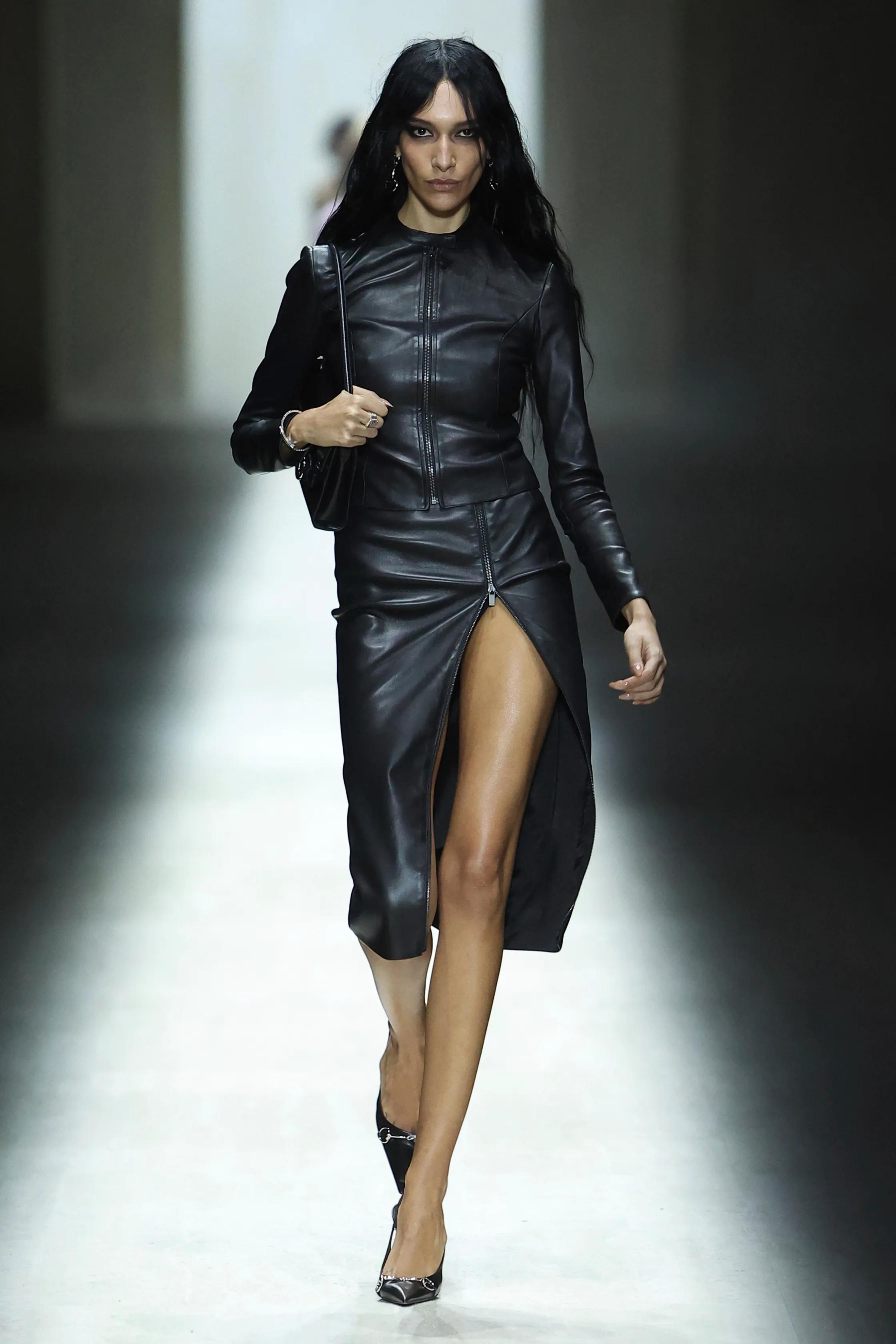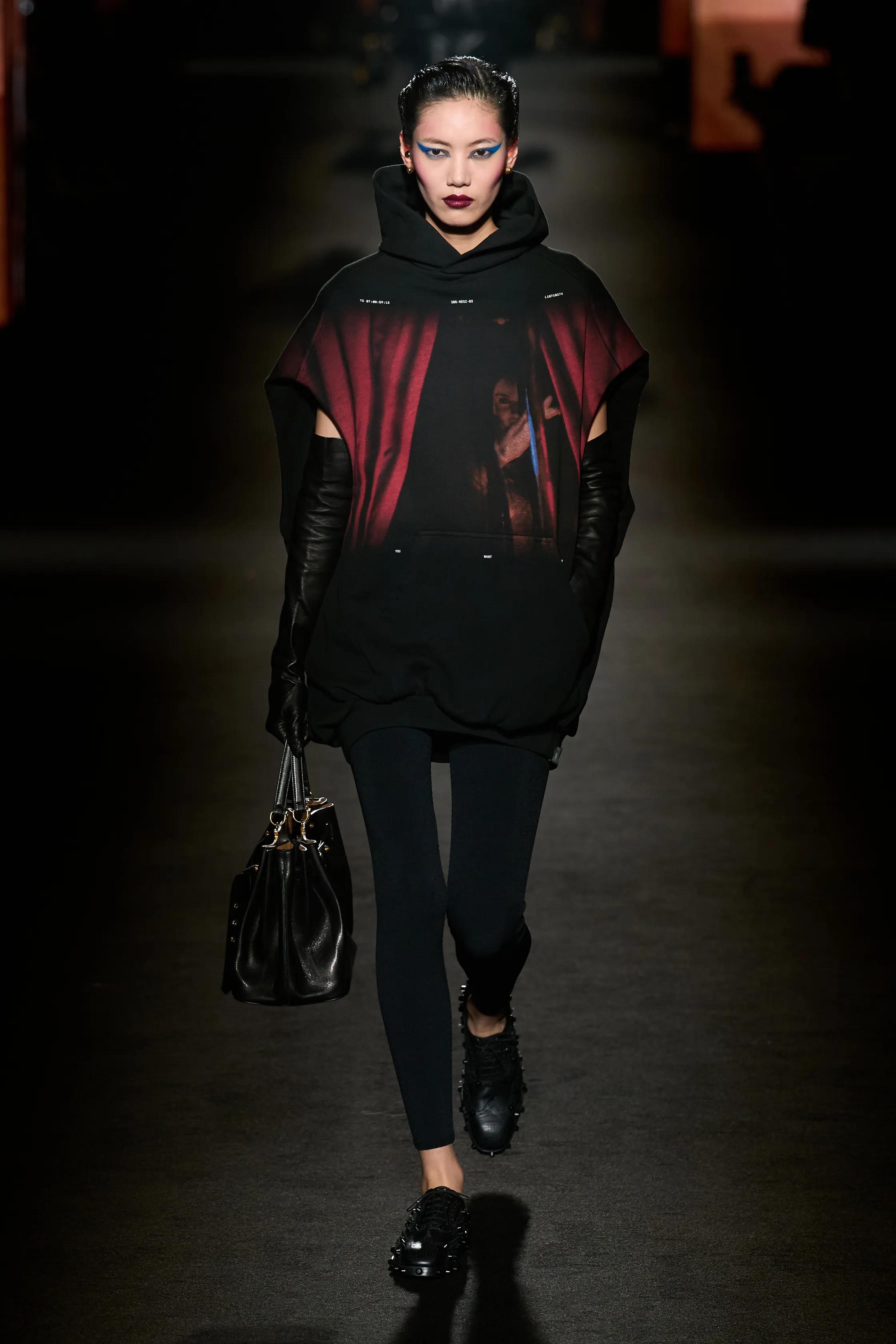
Fashion loves a new appointment. The announcement, the speculation, the first show, the think pieces. There's an entire media cycle built around the idea that a new creative director is automatically an exciting thing. But FW26 is a good season to take stock of how many of these changes have actually delivered.
Jonathan Anderson at Dior is the obvious one right now. The critical reception was rapturous but the data is flat, the styling felt unresolved, and his womenswear vision for the house hasn't clicked into place yet the way his menswear always has.
Pierpaolo Piccioli at Balenciaga is a stranger appointment still. Piccioli's Valentino was maximalist, romantic, colour-saturated — everything Balenciaga under Demna was not. Putting him in that chair raises more questions than it answers about what either house is supposed to mean now.
And then there's the Demna situation itself. His move to Gucci is one of the most genuinely unpredictable appointments in recent memory. Alessandro Michele's Gucci was maximalist in a completely different register to Demna's Balenciaga. The maximalism was warm and referential and slightly chaotic. Demna's is cold and conceptual and sometimes confrontational. Whether that translates into something the Gucci customer actually wants to buy is a real open question, and the data won't lie about the answer.
Matthieu Blazy at Chanel is the counterexample that proves the rule. The +134.7% search velocity, the 91.2 composite score, the feeling that Chanel is genuinely exciting again — that's what a successful appointment looks like in the data. It's possible. It just isn't guaranteed, and the industry celebration that follows every new hire tends to forget that.
A title change is not a transformation. The clothes have to do that part.